Parking Procedure on Hills for Big Trucks
Properly parking a large truck on a hill requires specific steps to ensure the vehicle remains secure and doesn't roll away. Follow this procedure exactly:
What Happens If You Don't Follow Procedure
Potential Consequences
Some of the most serious accidents involving vehicles happen when the driver is nowhere near the car. A truck can fall out of gear and drift directly into traffic or strike another parked vehicle, building, or unwitting pedestrian.
Gravity is not always a driver's best friend, and that fact becomes very apparent when parking a large truck on a steep grade or hill. Knowing how to properly park on a hill can literally save lives and property.
Procedure to Depart (Reverse Parking)
When it's time to leave, follow these steps in reverse order to safely remove the truck from the hill:
Visual References & Demonstrations
These photos and videos demonstrate proper hill parking techniques and equipment usage:
Photos & Diagrams
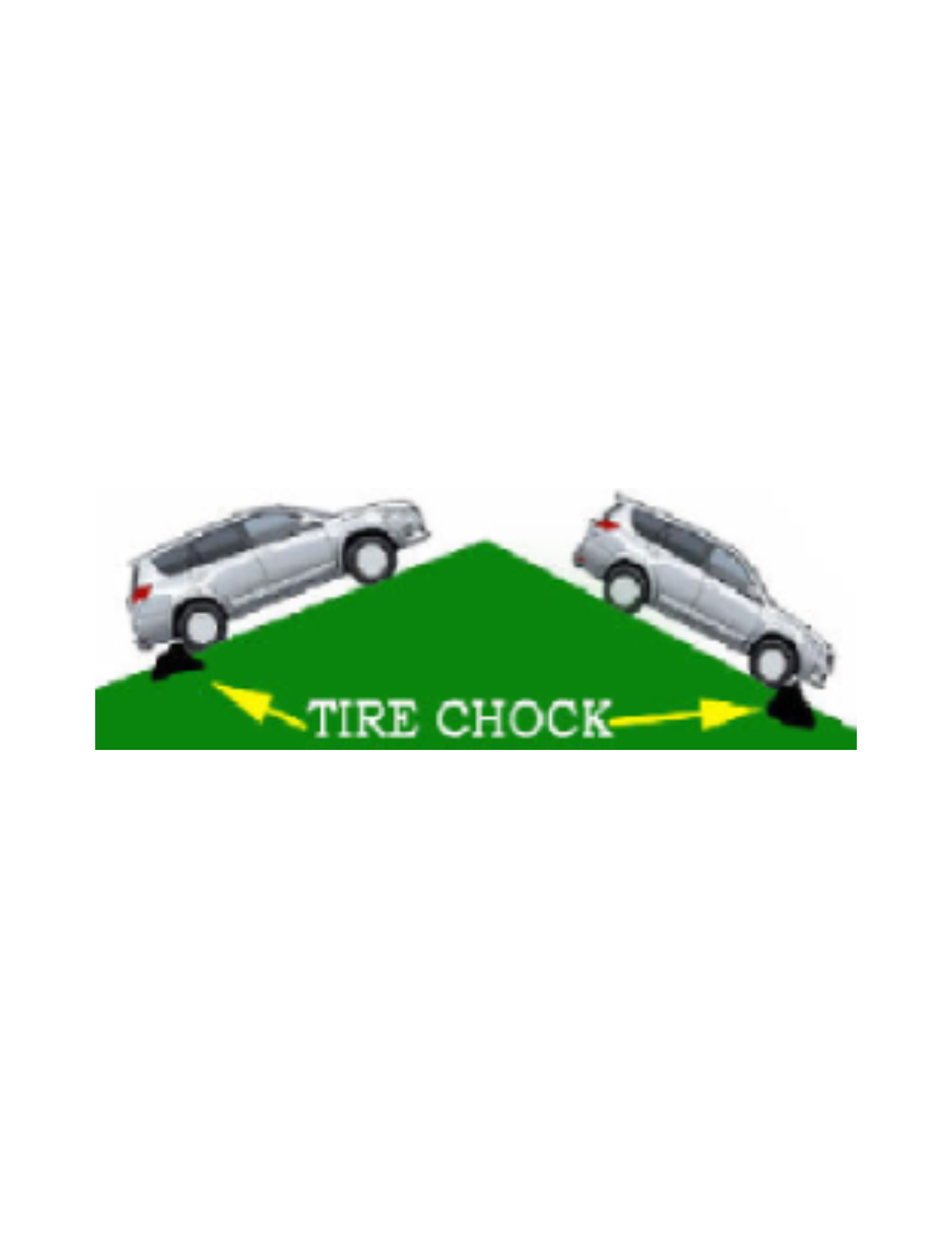
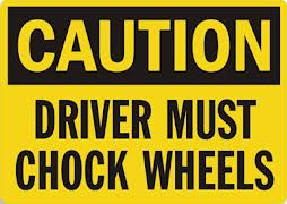

Instructional Videos
Safety Tips for Hill Parking
Assess the Situation
If at all possible, avoid parking on a hill in the first place. If you haven't exhausted all of your parking options, you may want to keep searching for a more level parking spot.
Consider Necessity
Parking on a steep incline is not illegal, but it does put added stresses on a vehicle. Ask yourself if parking on this particular hill is strictly necessary.
Proper Wheel Positioning
Turn your front wheels towards the curb or outer edge of the road—do not leave the wheels facing forward. This helps direct the vehicle toward the curb if it rolls.
Team Communication
Always maintain clear communication with your assistant during both parking and departure procedures. Use clear hand signals and verbal commands.
General Hill Parking Information
Parking a large truck on a hill can be a tricky maneuver for drivers. Here's additional information on why these procedures are so important:
Key Takeaway
Always follow proper hill parking procedures. The few extra minutes it takes to secure your truck properly could prevent catastrophic accidents, save lives, and protect property. Remember: Safety first, always!